God's Kingdom and family / Guðs ríki og fjölskylda
Text: Luke 9:51-62 *Íslensk þýping niður
May grace and peace from God our Father and the Lord Jesus Christ be with you. Amen.
1.
Today’s Gospel text is given from Luke chapter 9. It is not today's text, but at the beginning of chapter 9, Jesus sends the twelve disciples out to towns. Chapter 9, verse 1: "When Jesus had called the Twelve together, he gave them power and authority to drive out all demons and to cure diseases," and verse 6: "So they set out and went from village to village, proclaiming the good news and healing people everywhere."
And chapter 10, which follows today’s text, starts like this. From chapter 10, verse 1: "After this the Lord appointed seventy-two others and sent them two by two ahead of him to every town and place where he was about to go. (...) Go! I am sending you." Then, moving a little forward to verse 9: "Heal the sick who are there and tell them, 'The kingdom of God has come near to you.'"
In other words, today’s text is right in the middle of these two sending stories: the sending of the twelve disciples from the beginning of chapter 9, and the sending of the seventy-two disciples from the beginning of chapter 10. As we have talked about a few times recently, the "fruit" of mission is "knowing Jesus' Gospel and knowing God's love. Furthermore, it is that the people of the world also come to know it." We also talked about the word "know" in this case does not mean just simple knowledge, but it means being in a right relationship. When we enter a right relationship with God, we can have our sins forgiven because of Jesus' redemption.
The Gospel of John talks about it like this: "Now this is eternal life: that they know you, the only true God, and Jesus Christ, whom you have sent." (John 17:3) Therefore, the mission of the Gospel is like the delivery of "eternal life," or inviting people to "eternal life."
And this eternal life is clearly given in the "kingdom of God." To put it simply, "eternal life" and the "kingdom of God" have the same meaning. Those who are given eternal life are invited to the kingdom of God, and those who are in the kingdom of God have eternal life. We can say it that way.
"Following Jesus" also has almost the same meaning because we get to know Jesus in a right manner by following him. Actually "Following Jesus" might be the easiest thing to feel in our daily lives compared to "eternal life" or the "kingdom of God." We might feel "eternal life" and the "kingdom of God" are somehow things very far away from our daily lives while following Jesus is more concrete thing for our feelings.
2.
Now, coming to today’s Gospel text. It is largely divided into two parts. The first half is about the event in Samaria. The second half is the conversation about following Jesus. At first glance, they look like two episodes that are not related, but actually they are connected. That connection is the "kingdom of God." This is today's keyword. The "kingdom of God" is "eternal life," and we get it by following Jesus.
Today’s text gives us evangelical guidance about a very daily crisis or a difficult event that we face as Christians. The first half, the event in Samaria, is about when we meet "people who do not accept Jesus' Gospel." The second half, the conversation about following Jesus, is the guidance for when we meet "things that prevent us from following Jesus' Gospel." For both, the "kingdom of God" is the keyword.
First is the episode in Samaria. Jews and Samaritans were enemies at that time. Or rather, it was that the Jews hated the Samaritans. Samaria and Judea were originally a unified kingdom under King David and King Solomon. But after King Solomon died, it split into the northern kingdom and the southern kingdom. Furthermore, the north was destroyed by Assyria, and the south was destroyed by Babylon, and the people were forced to move to each of those countries. Moreover, foreign people were brought to Samaria instead of the people who were taken away.
After time passed, the people of both countries returned and rebuilt each of their countries, but the people of the northern kingdom lost their purity as Jews during the captivity by marrying foreigners and accepting their religion. At least, the Jews of the southern kingdom thought that way. The Jews of the southern kingdom kept their purity by marrying only Jews even during the captivity.
In the process of rebuilding the country, a plan was made to build a new temple. The people of Samaria offered to help too, but the southern Jews refused this. In the end, the Samaritans set up their own temple on Mount Gerizim and started to worship there. Since then, the bad relationship between Samaria and Judea has continued.
3.
Jesus and his group who were in Galilee head to Jerusalem. To do that, cutting through the territory of Samaria is the most efficient way, but the Samaritans refused to welcome Jesus and his group. This is the story where Jesus' disciples get angry and say, "Let's ask God to burn them down," but Jesus corrected them.
Here, Jesus looks very generous. Why didn't Jesus get angry together with his disciples? It is because the time of judgment has not come yet. In the Gospel of John, what was the reason Jesus did not move his disciples from this world to the kingdom of God right away, but left them in this world? Yes. It was for the mission. It was because there were still many people in this world who should accept Jesus' name and be invited to the kingdom of God.Thanks to Jesus, because of it, we are here in the church today!
It is the same thing in Samaria. Jesus thought that there was still a possibility for the Gospel to spread to the people of Samaria. And it happened just like that. Acts chapter 8, verse 5: "Philip went down to a city in Samaria and proclaimed the Messiah there. When the crowds heard Philip and saw the signs he performed, they all paid close attention to what he said," and verse 12: "But when they believed Philip as he proclaimed the good news of the kingdom of God and the name of Jesus Christ, they were baptized, both men and women."
We must apply this event that the Gospel tells us to our situation now, too. There are many people around us who refuse Jesus' Gospel and do not believe. Of well, we probably do not wish for those people to "be burned down" or anything, but even so, we might sometimes feel like, "Hmph!" Still, we should be generous. The final time has not come yet, and the opportunity should be left. The entrance to the kingdom of God is still open.
Sometimes there are people who attack the church. It cannot be helped that we feel unpleasant toward those people, but even so, we should not use words of judgment. The one who judges is only God himself, and that authority is not given to us.
4.
Let’s look at the second half of today’s Gospel text. It is a conversation between Jesus and three people who were around him. The common thing in the conversation is "the factors that prevent people from following Jesus—namely, entering the kingdom of God."
The first person, probably with lots of energy, offers, "I will follow you wherever you go." But Jesus points out this person's emotional excitement and lack of deep thought, saying, "Following me means having no place to sleep. Are you ready for that?" We cannot follow Jesus with just a temporary emotional high. Mere emotional excitement could be an obstacle to follow Jesus really.
The second person and the last person bring up reasons about their families. "Let me go and bury my father," and "Let me go back and say goodbye to my family." Thinking normally, these are common-sense requests. But for some reason, Jesus shows a negative reaction. "Let the dead bury their own dead, but you go and proclaim the kingdom of God," and "No one who puts a hand to the plow and looks back is fit for service in the kingdom of God."
Does Jesus think that family does not matter? No, not at all. It was Jesus who deeply pitied the sisters Martha and Mary who lost their brother and were crying, and brought Lazarus back to life. And it was Jesus who listened to the request of the Canaanite mother who asked to heal her child's sickness. Many other examples show Jesus' deep care for family.
The point here is not whether family is important or not, but that the "kingdom of God" comes before anything else, or that the "kingdom of God" is placed right at the center of a person's existence. Sometimes, there might be a situation where we are forced to choose, "Should I follow Jesus, or should I stay with my family?" At that time, can we choose "following Jesus"?
Choosing to follow Jesus never means throwing away our family. Family is important. However, if we are forced to make the ultimate choice between the two, Jesus teaches us to follow him, which means to put the "kingdom of God" first. And after that, he says to take care of our family.
5.
This might be hard to understand for people who were born and raised in a Christian country like Iceland. But for those who live in Japan, Iran, or many other non-Christian countries, this choice is a very real and daily thing.
For example, Japan. Japan is not an Islamic country, so practicing Christianity is a legal thing. But Christians in Japan are less than 1% of the population. They are a complete minority. In addition, Japan has traditions and cultures that come from religions with a long history, like Buddhism and Shintoism.
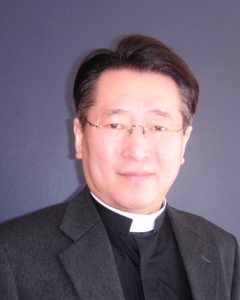
Choosing to believe in Christ and getting baptized in that kind of environment means turning your back on these cultural traditions in a way. The beginning of January is the time for the biggest festival in Japan, and everyone celebrates the New Year. During this time, it is observed that about 60 to 70 million people go to visit shrines and temples only in first two weeks of January. But even if I am in Japan during that time, I do not go to visit shrines. This is because I do not believe in the gods that shrines worship. If I went, I think it would actually be a rude thing.
In that kind of environment, for example, when a young person who has non-Christian parents wants to get baptized, they sometimes face strong opposition from their parents. Some people might push through and get baptized anyway, but others might give up. There are no exact statistics about this part.
There is a man who became a pastor around the same time as me. He got married when he became a pastor, but his wife faced strong opposition to becoming a pastor's wife from her arents, and in the end, her relationship as family was cut off. This is a pretty extreme example, but it is something that can happen.
In Japan, freedom of religion is guaranteed, but even so, there is this kind of reality in people's daily lives. Therefore, we can imagine the reality of people who wish to become Christians in countries where freedom of religion is not allowed, like Iran or other Islamic countries.
Becoming a Christian itself means danger to that person's safety, and in addition, the relationship with their families might get cracked or broken. Since that thing can be predicted, the relationship with family can be a factor that makes it difficult to follow Jesus.
But, let me say it again, even if we choose to believe in Jesus in any kind of situation, that thing never looks down on family. Family is still an important thing. Rather, people who became Christians are given the opportunity for their own families to enter God's grace through prayers of intercession.
To follow Jesus and to be invited to the kingdom of God through that, we need to overcome real difficulties. That difficulty will be different for each person. What we should do when we face that kind of difficulty is not avoiding the difficulty, but rather, choosing the "kingdom of God" first and placing it at the center of our own lives.
After that, it is finding a way to deal with the difficulty. When we choose the path of following Jesus once, the view that spreads before us might open up, and we might see a path or possibility that we could not see until now. This is because Jesus' guidance and the help of the Holy Spirit will surely be with us through the whole process.
The gate to enter the kingdom of God is still open. While we walk the path to the kingdom of God ourselves, let’s invite other people to there,too.
Peace of God, which transcends all understanding, will guard your hearts and your minds in Christ Jesus. Amen.
****
Texti: Lúkas 9:51-62
Náð og friður frá Guði föður vorum og Drottni Jesú Kristi sé með yður. Amen.
1.
Guðspjallstexti dagsins er tekinn úr 9. kafla Lúkasarguðspjalls. Það er ekki texti dagsins í dag, heldur í upphafi 9. kafla sendir Jesús lærisveinana tólf út til bæjanna. Í 9. kafla, versi 1, stendur: „Þá kallaði Jesús hina tólf saman og gaf þeim kraft og vald til að reka út alla illa anda og lækna sjúkdóma,“ og í versi 6: „Þeir lögðu því af stað og fóru frá þorpi til þorps, boðuðu fagnaðarerindið og læknuðu fólk alls staðar.“
Og 10. kaflinn, sem kemur á eftir texta dagsins í dag, byrjar svona. Í 10. kafla, versi 1: „Eftir þetta valdi Drottinn sjötíu og tvo aðra og sendi þá tvo og tvo á undan sér til allra bæja og staða sem hann ætlaði sjálfur að koma til. (…) Farið! Ég sendi yður.“ Síðan, aðeins síðar í versi 9: „Læknið sjúka þar og segið við þá: ,Guðs ríki er komið nálægt yður.’“
Með öðrum orðum er texti dagsins í dag einmitt mitt á milli þessara tveggja frásagna um sendingu: sendingar lærisveinanna tólf í upphafi 9. kafla og sendingar sjötíu og tveggja lærisveina í upphafi 10. kafla. Eins og við höfum talað um nokkrum sinnum nýlega er „ávöxtur“ trúboðsins sá að „þekkja fagnaðarerindi Jesú og þekkja kærleika Guðs. Enn fremur að fólk heimsins komi einnig til að þekkja það.“ Við töluðum líka um að orðið „þekkja“ í þessu samhengi merkir ekki aðeins einfalda vitneskju, heldur að vera í réttu sambandi. Þegar við komumst í rétt samband við Guð getum við fengið fyrirgefningu synda okkar vegna endurlausnar Jesú.
Jóhannesarguðspjall talar um þetta á þessa leið: „En eilíft líf er þetta: að þeir þekki þig, hinn eina sanna Guð, og þann sem þú sendir, Jesú Krist.“ (Jóh. 17:3) Þess vegna er trúboð fagnaðarerindisins eins og að færa fólki „eilíft líf“ eða að bjóða því inn í „eilíft líf“.
Og þetta eilífa líf er skýrt gefið í „Guðs ríki“. Til einföldunar má segja að „eilíft líf“ og „Guðs ríki“ hafi sömu merkingu. Þeir sem fá eilíft líf eru boðnir inn í Guðs ríki, og þeir sem eru í Guðs ríki hafa eilíft líf. Við getum sagt það þannig.
„Að fylgja Jesú“ hefur líka næstum sömu merkingu, því við kynnumst Jesú á réttan hátt með því að fylgja honum. Reyndar gæti „að fylgja Jesú“ verið það sem auðveldast er að finna fyrir í daglegu lífi okkar samanborið við „eilíft líf“ eða „Guðs ríki“. Okkur kann að finnast „eilíft líf“ og „Guðs ríki“ vera eitthvað mjög fjarlægt daglegu lífi okkar, á meðan það að fylgja Jesú er áþreifanlegra fyrir tilfinningar okkar.
2.
Nú komum við að guðspjallstexta dagsins í dag. Hann skiptist að mestu í tvo hluta. Fyrri hlutinn fjallar um atburðinn í Samaríu. Seinni hlutinn er samtalið um það að fylgja Jesú. Við fyrstu sýn virðast þetta vera tveir óskyldir atburðir, en í raun eru þeir tengdir. Sú tenging er „Guðs ríki“. Þetta er lykilorð dagsins í dag. „Guðs ríki“ er „eilíft líf“, og við fáum það með því að fylgja Jesú.
Texti dagsins í dag gefur okkur evangelíska leiðsögn varðandi mjög hversdagslega kreppu eða erfiða atburði sem við mætum sem kristin fólk. Fyrri hlutinn, atburðurinn í Samaríu, fjallar um það þegar við mætum „fólki sem tekur ekki við fagnaðarerindi Jesú“. Seinni hlutinn, samtalið um að fylgja Jesú, er leiðsögn fyrir það þegar við mætum „hlutum sem hindra okkur í að fylgja fagnaðarerindi Jesú“. Í báðum tilvikum er „Guðs ríki“ lykilorðið.
Fyrst er það frásögnin í Samaríu. Gyðingar og Samverjar voru óvinir á þeim tíma. Eða réttara sagt: Gyðingarnir hötuðu Samverjana. Samaría og Júdea voru upphaflega eitt sameinað ríki undir stjórn Davíðs konungs og Salómons konungs. En eftir dauða Salómons klofnaði ríkið í norðurríkið og suðurríkið. Enn fremur var norðurríkið lagt í eyði af Assýríu og suðurríkið af Babýlon, og fólkið var neytt til að flytja til þessara landa. Auk þess voru erlendir menn fluttir til Samaríu í stað fólksins sem hafði verið flutt burt.
Eftir að tími leið sneri fólk úr báðum ríkjum aftur og endurreisti lönd sín, en fólk norðurríkisins missti hreinleika sinn sem gyðingar á útlegðartímanum með því að giftast útlendingum og taka upp trú þeirra. Að minnsta kosti litu Gyðingar suðurríkisins þannig á það. Gyðingar suðurríkisins héldu hreinleika sínum með því að giftast aðeins gyðingum jafnvel á útlegðartímanum.
Í ferlinu við að endurreisa landið var gerð áætlun um að byggja nýtt musteri. Fólkið í Samaríu bauðst einnig til að hjálpa, en Gyðingar suðurríkisins höfnuðu því. Að lokum reistu Samverjar sitt eigið musteri á Garísímfjalli og hófu þar tilbeiðslu sína. Síðan þá hélt hið slæma samband Samaríu og Júdeu áfram.
3.
Jesús og hópur hans, sem voru í Galíleu, halda til Jerúsalem. Til þess er skilvirkast að fara í gegnum landsvæði Samaríu, en Samverjarnir neituðu að taka á móti Jesú og hópi hans. Þetta er sagan þar sem lærisveinar Jesú verða reiðir og segja: „Eigum við að biðja Guð að láta eld falla af himni og eyða þeim?“ en Jesús ávítaði þá.
Hér virðist Jesús mjög umburðarlyndur. Hvers vegna varð Jesús ekki reiður ásamt lærisveinum sínum? Það er vegna þess að tími dómsins var ekki enn kominn. Í Jóhannesarguðspjalli, hver var ástæðan fyrir því að Jesús tók lærisveina sína ekki strax úr þessum heimi inn í Guðs ríki, heldur lét þá vera áfram í heiminum? Já, það var vegna trúboðsins. Það var vegna þess að enn voru margir í þessum heimi sem áttu að taka við nafni Jesú og verða boðnir inn í Guðs ríki. Þökk sé Jesú, vegna þessa, erum við hér í kirkjunni í dag!
Sama átti við um Samaríu. Jesús taldi að enn væri möguleiki á að fagnaðarerindið breiddist út meðal fólksins í Samaríu. Og það gerðist einmitt þannig. Í Postulasögunni 8:5 stendur: „Filippus fór niður til borgar í Samaríu og boðaði þar Krist,“ og þegar mannfjöldinn heyrði Filippus og sá táknin sem hann gerði, veitti fólkið því sem hann sagði mikla athygli. Og í versi 12: „En þegar þau trúðu Filippusi, sem boðaði fagnaðarerindið um Guðs ríki og nafn Jesú Krists, létu bæði karlar og konur skírast.“
Við verðum einnig að heimfæra þennan atburð, sem guðspjallið segir frá, upp á aðstæður okkar í dag. Það eru margir í kringum okkur sem hafna fagnaðarerindi Jesú og trúa ekki. Auðvitað óskum við líklega ekki þess að slíkt fólk „brenni upp“ eða neitt slíkt, en jafnvel svo gætum við stundum fundið til og hugsað: „Hmph!“ Samt eigum við að vera umburðarlynd. Endanlegi tíminn er ekki enn kominn, og tækifærið á að vera opið áfram. Inngangurinn inn í Guðs ríki er enn opinn.
Stundum eru líka til fólk sem ræðst á kirkjuna. Það er skiljanlegt að okkur finnist óþægilegt gagnvart slíku fólki, en jafnvel þá eigum við ekki að nota orð dóms. Sá sem dæmir er Guð einn sjálfur, og það vald hefur ekki verið gefið okkur.
4.
Lítum nú á seinni hluta guðspjallstexta dagsins í dag. Hann er samtal milli Jesú og þriggja manna sem voru í kringum hann. Það sem er sameiginlegt í samtalinu eru „þeir þættir sem hindra fólk í að fylgja Jesú — það er að segja að ganga inn í Guðs ríki.“
Fyrsti maðurinn, líklega fullur af eldmóði, býðst fram og segir: „Ég vil fylgja þér hvert sem þú ferð.“ En Jesús bendir á tilfinningalega ákefð hans og skort á djúpri umhugsun með því að segja: „Að fylgja mér þýðir að eiga engan stað til að sofa á. Ert þú tilbúinn til þess?“ Við getum ekki fylgt Jesú aðeins með tímabundnum tilfinningahita. Einungis tilfinningaleg upphafning getur orðið hindrun í því að fylgja Jesú í raun og veru.
Annar maðurinn og sá síðasti nefna ástæður sem tengjast fjölskyldu þeirra. „Leyfðu mér fyrst að fara og jarða föður minn,“ og „Leyfðu mér fyrst að fara heim og kveðja fjölskyldu mína.“ Ef við hugsum venjulega eru þetta fullkomlega eðlilegar beiðnir. En af einhverri ástæðu bregst Jesús neikvætt við. „Lát hina dauðu jarða sína dauðu, en far þú og boðaðu Guðs ríki,“ og „Enginn sem leggur hönd sína á plóginn og lítur til baka er hæfur til þjónustu í Guðs ríki.“
Heldur Jesús að fjölskylda skipti ekki máli? Nei, alls ekki. Það var Jesús sem sýndi systrunum Mörtu og Maríu djúpa samúð þegar þær höfðu misst bróður sinn og grétu, og vakti Lasarus aftur til lífs. Og það var Jesús sem hlustaði á bæn kanversku móðurinnar sem bað hann að lækna barn sitt. Mörg önnur dæmi sýna djúpa umhyggju Jesú fyrir fjölskyldunni.
Aðalatriðið hér er ekki hvort fjölskyldan sé mikilvæg eða ekki, heldur að „Guðs ríki“ kemur á undan öllu öðru, eða að „Guðs ríki“ sé sett í miðju tilveru mannsins. Stundum geta komið upp aðstæður þar sem við neyðumst til að velja: „Á ég að fylgja Jesú, eða á ég að vera hjá fjölskyldu minni?“ Á þeirri stundu, getum við þá valið að „fylgja Jesú“?
Að velja að fylgja Jesú þýðir aldrei að kasta fjölskyldunni frá sér. Fjölskyldan er mikilvæg. Hins vegar, ef við neyðumst til að taka endanlegt val milli þessara tveggja, kennir Jesús okkur að fylgja honum, sem þýðir að setja „Guðs ríki“ í fyrsta sæti. Og eftir það segir hann okkur að annast fjölskyldu okkar.
5.
Þetta gæti verið erfitt að skilja fyrir fólk sem er fætt og uppalið í kristnu landi eins og Íslandi. En fyrir þau sem búa í Japan, Íran eða mörgum öðrum löndum sem eru ekki kristin, er þetta val mjög raunverulegt og daglegt mál.
Til dæmis Japan. Japan er ekki íslamskt land, þannig að það er löglegt að iðka kristna trú. En kristnir í Japan eru innan við 1% af íbúafjöldanum. Þeir eru algjör minnihluti. Auk þess hefur Japan hefðir og menningu sem eiga rætur í trúarbrögðum með langa sögu, eins og búddisma og shintóisma.
Að velja að trúa á Krist og láta skírast í slíku umhverfi þýðir á vissan hátt að snúa baki við þessum menningarhefðum. Upphaf janúar er tími stærstu hátíðarinnar í Japan, og allir fagna nýju ári. Á þessum tíma er talið að um 60 til 70 milljónir manna heimsæki hof og helgidóma aðeins á fyrstu tveimur vikum janúarmánaðar. En jafnvel þótt ég sé í Japan á þeim tíma, fer ég ekki í helgidómsheimsóknir. Ástæðan er sú að ég trúi ekki á guðina sem dýrkaðir eru þar. Ef ég færi þangað, held ég að það væri í raun dónalegt af mér.
Í slíku umhverfi, til dæmis þegar ung manneskja með foreldra sem ekki eru kristnir vill láta skírast, mætir hún stundum sterkri andstöðu frá foreldrum sínum. Sumir halda áfram og láta skírast samt, en aðrir gefast upp. Það eru engar nákvæmar tölur til um þetta.
Það er maður sem varð prestur um svipað leyti og ég. Hann giftist þegar hann varð prestur, en eiginkona hans mætti mikilli andstöðu frá foreldrum sínum við það að verða prestsfrú, og að lokum var sambandið við fjölskyldu hennar rofið. Þetta er nokkuð öfgafullt dæmi, en það er eitthvað sem getur gerst.
Í Japan er trúfrelsi tryggt með lögum, en samt sem áður er þessi veruleiki til staðar í daglegu lífi fólks. Þess vegna getum við ímyndað okkur veruleika fólks sem vill verða kristið í löndum þar sem trúfrelsi er ekki leyft, eins og í Íran eða öðrum íslömskum ríkjum.
Að verða kristinn getur sjálft skapað hættu fyrir öryggi viðkomandi, og auk þess geta tengslin við fjölskylduna sprungið eða brostið. Þar sem hægt er að sjá slíkt fyrir getur sambandið við fjölskylduna orðið þáttur sem gerir það erfitt að fylgja Jesú.
En leyfið mér að segja það aftur: jafnvel þótt við veljum að trúa á Jesú í hvaða aðstæðum sem er, þá lítur það aldrei niður á fjölskylduna. Fjölskyldan er enn mikilvæg. Frekar er þeim sem orðnir eru kristnir gefið tækifæri til að leiða eigin fjölskyldur inn í náð Guðs með bænum sínum og fyrirbæn.
Til þess að fylgja Jesú og verða boðin inn í Guðs ríki þurfum við að yfirstíga raunverulega erfiðleika. Þessir erfiðleikar verða mismunandi fyrir hvern og einn. Það sem við eigum að gera þegar við mætum slíkum erfiðleikum er ekki að forðast þá, heldur að velja „Guðs ríki“ fyrst og setja það í miðju lífs okkar.
Eftir það felst verkefnið í að finna leið til að takast á við erfiðleikann. Þegar við veljum einu sinni leiðina að fylgja Jesú getur sýnin sem opnast fyrir okkur orðið ný, og við gætum séð leið eða möguleika sem við gátum ekki séð áður. Þetta er vegna þess að leiðsögn Jesú og hjálp Heilags Anda verður örugglega með okkur í gegnum allt ferlið.
Hliðið inn í Guðs ríki er enn opið. Á meðan við sjálf göngum leiðina til Guðs ríkis skulum við líka bjóða öðrum þangað inn.
Friður Guðs, sem er æðri öllum skilningi, mun varðveita hjörtu yðar og hugsanir í Kristi Jesú. Amen.
*Þýdd af Chat GPT